Exchange Ranking
 Top Exchanges
 24h Volume Ranking
 Popularity Ranking
 Exchange BTC Balance
 Proof of Reserves
 Decentralized Exchanges
 Funding Rate
 Funding Heatmap
 Liquidation Data
 Max Pain
 Long/Short Ratio
 Whale L/S Ratio
 Binance/Okex/Huobi L/S
 Bitfinex Margin L/S
 ETF Tracker
 Solana ETF
 XRP ETF
 Hong Kong ETF
 Bitcoin Treasuries
 Crypto Reversal
 Ethereum Reserves
 HyperLiquid Wallet Analysis
 Hyperliquid Whale Watch
 Large Transactions
 On-chain Movement
 Bitcoin ROI
 Stablecoin Market Cap
 Options Analysis
 News
 Articles
 Economic Calendar
 Features
 Wallet
 Contract Calculator


 Security
 Collections
 Watchlist
 Following
 BTC
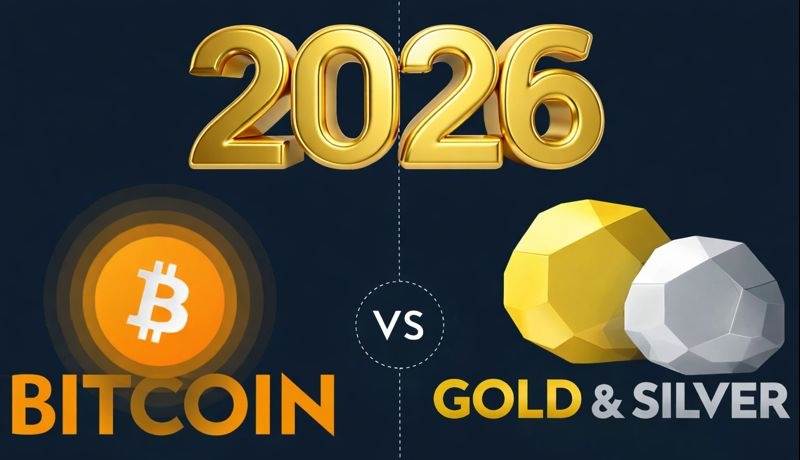
By the end of 2025, the financial market showed a stark contrast: precious metals such as gold and silver continued to reach historical highs, attracting worldwide attention. In contrast, the cryptocurrency market appeared quiet, with a significant decline in interest among individual investors. Google’s search volume for “cryptocurrencies” dropped to its lowest point of the year, at 26 out of 100 possible scores. This phenomenon is not accidental; it reflects changes in the macroeconomic environment, adjustments in market structures, and shifts in investors’ risk preferences. The role of crypto assets in the global investment landscape is undergoing re-evaluation.
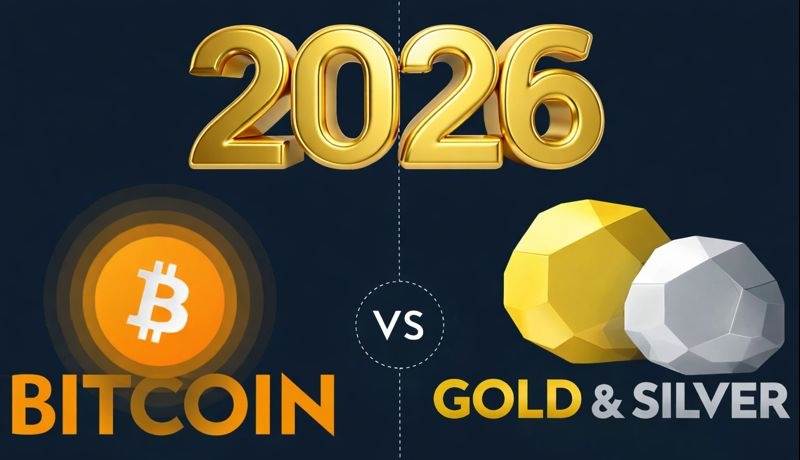
I. Market Phenomena: Gold and Silver’s “Rally” vs. Cryptocurrencies’ “Cooldown”
1. The Precious Metals Market Is Dominating
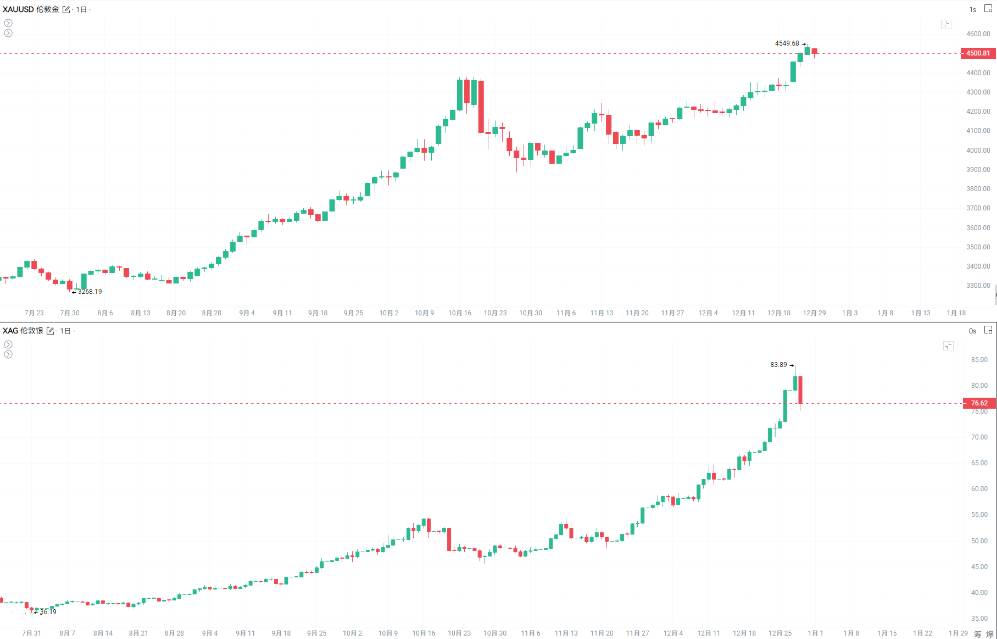
● Since the beginning of this year, precious metals have undoubtedly been the most impressive asset class globally. The price of gold has increased by more than 70% this year, reaching its best annual performance since 1979. Silver has performed even better, with prices rising by 140% to 170%, ranking at the top of the global asset performance chart.
● At the end of the year, both gold and silver prices remain strong, continuously reaching new historical highs. This market movement is not simply a periodic increase; it has been widely defined by the market as a “bull market” or even the beginning of a new cycle.
2. Cryptocurrency Search Volume Falls to Low Levels
● In sharp contrast to the excitement in the precious metals market, the cryptocurrency world exudes a sense of coldness. Key indicators of retail investors’ interest can be seen through Google search data: searches for the term “cryptocurrency” remain low worldwide. As of December, this figure was only 26, far below the peak of 100 recorded in January due to expectations of favorable policies.
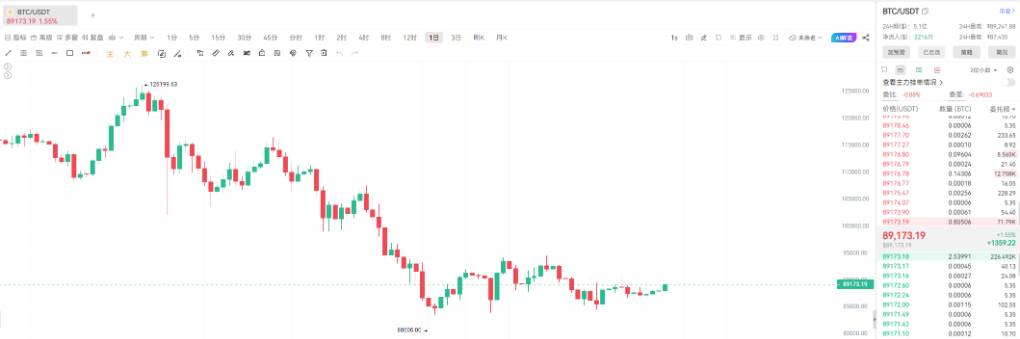
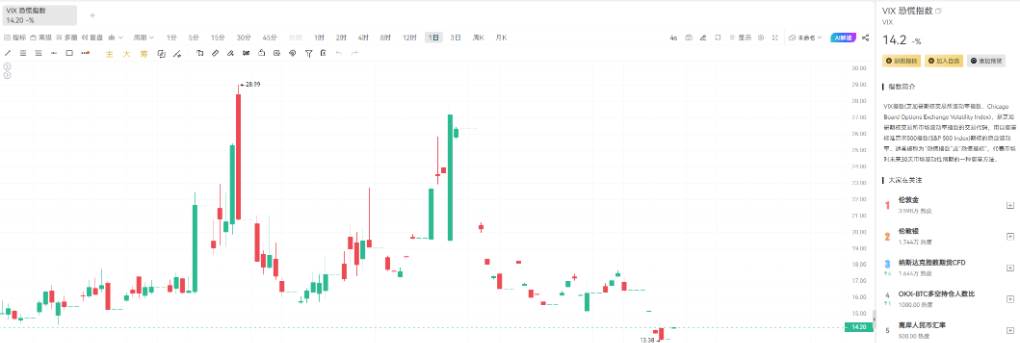
● The market sentiment index has also remained fluctuating between “fear” and “extreme fear,” currently sitting at 14. This clearly indicates that retail investors are feeling discouraged after the crash in October, and they lack confidence in the current market situation.
II. The Market Landscape Behind the Data
Current market data reveals a stark contrast between different asset classes. There is a significant difference in growth rates, market sentiment, and underlying driving forces among various assets, highlighting the new arrangements and preferences of capital under the global macroeconomic changes.
● Gold achieved an annual increase of over 70% in 2025, setting a record for the best annual performance since 1979. This remarkable achievement was driven by multiple macro factors. Long-term concerns about the credibility of the US dollar, along with efforts to reduce reliance on the US dollar globally, have led central banks around the world to continue buying gold, providing strong strategic support for its price.
同时,美联储的降息预期降低了持有无息资产的机会成本,而持续的地缘政治风险则不断激发其作为终极避险资产的配置需求。这些因素交织,将黄金推向了历史性的高点。
● 白银的表现则更为耀眼,以140%至170%的年内涨幅稳居全球主要资产涨幅榜首,其现货市场库存紧张的状况更是加剧了价格的波动。
白银的疯狂涨势源于其独特的“双重属性”:一方面,它完全分享了黄金所具备的金融属性和避险逻辑;另一方面,其在光伏新能源、人工智能电子元件等现代工业中不可替代的需求爆发,与长期存在的供应短缺形成尖锐矛盾。
这种“金融+工业”的双轮驱动,使其在牛市中展现出远超黄金的价格弹性,成为本轮商品牛市中最夺目的明星。
● 加密货币市场则显得气氛凝重。衡量散户关注度的全球谷歌搜索量在12月底已跌至26(范围0-100),相较于年初政策利好时期的峰值100,兴趣衰减了超过七成/
The market sentiment index has also remained consistently within the “fear” range, around 28. This downturn is not accidental; it stems from profound changes in the market structure. The market crash in October 2025 dealt a severe blow to the confidence of retail investors. At a deeper level, the dominant forces in the market are shifting from emotional retail investors to institutional investors who focus on long-term asset allocation.
Meanwhile, the gradual clarity and normalization of regulatory frameworks worldwide, while paving the way for the industry’s long-term development, also signify the end of the era of unrestrained growth. The market is entering a period of calmness, dominated by new rules and new players.
Thirdly, the underlying logic: Why have gold and silver prices skyrocketed? The surge in gold and silver prices isn’t driven by a single factor, but rather results from the combined effect of multiple macroeconomic and structural forces. 1. Deep concerns about US dollar credibility and efforts to reduce reliance on the US dollar
In recent years, geopolitical events have prompted the market to rethink sovereign credit assets. Central banks around the world, out of concerns for diversification of foreign exchange reserves and long-term asset security, have continued to increase their holdings of gold and reduced their reliance on traditional financial centers. This has led to a trend of “gold purchases,” providing strong long-term support for gold prices. This has made gold’s status as a “non-sovereign credit asset” even more prominent.
2. A fundamental shift in macroeconomic expectations
The market’s expectation that the Federal Reserve will start a cycle of interest rate cuts is one of the most important macroeconomic catalysts for this current market movement. Expectations of interest rate cuts have reduced the opportunity cost of holding interest-free assets like gold, thereby increasing their attractiveness.
● Additionally, the US “Big and Beautiful” Act is expected to significantly increase government deficits, thereby undermining the credibility of the dollar. This further reinforces gold’s role as a substitute for “credit currency”. In reality, markets are pricing in both future policy interest rate declines and inflation resilience, thereby suppressing long-term real interest rates.
3. Geopolitical and trade tensions are driving demand for safe-haven assets.
● Global trade tensions are escalating, especially due to the unpredictable tariff policies implemented by the United States. These tensions, along with geopolitical conflicts such as those in Venezuela, continue to increase the demand for gold as a safe-haven asset. These uncertainties not only boost demand for gold but also disrupt the global supply chains of silver and other commodities, leading to greater short-term price fluctuations.
4. Silver: Industrial demand serves as a “super amplifier”.
● The surge in silver prices is driven not only by its financial and safe-haven properties but also by its irreplaceable industrial value. In areas such as new energy and electrification, particularly in the photovoltaic and artificial intelligence industries, demand for silver has increased significantly, resulting in supply shortages in the market for several years now.
● Currently, silver inventories have dropped to low levels. When financial and industrial demands resonate with each other, silver, which has a relatively shallow market depth, experiences greater price volatility, leading to more rapid increases in prices compared to gold.
IV. Structural changes: Why do cryptocurrencies face backlash?
The decline in the search for cryptocurrencies is ostensibly due to price fluctuations and the aftermath of the “flash crash”. However, at its core, it reflects a fundamental change in the participants in the market and the underlying logic driving market dynamics.
1. A turning point from “retail investors taking the lead” to “institutional investors dominating” occurred in 2025. With the successful operation and expansion of compliant products such as US Bitcoin ETFs, institutional capital now has a standardized way to enter the market. The new demand in the market comes from institutional investors, who prioritize asset allocation over emotional decisions made by retail investors.
● Institutions have become the “marginal buyers” in the market, making their decisions based on macro-analysis and risk budgeting, rather than short-term considerations. This leads to a structural decrease in market volatility, while increasing sensitivity to macro variables like interest rates. The temporary withdrawal or wait-and-see attitude of retail investors is a manifestation of this historic shift.
2. Market infrastructure development and regulatory normalization are also underway. In 2025, stablecoins like USDC and real asset tokenization are developing rapidly. The crypto market is evolving from an “experimental stage of crypto-native finance” to a “blockchain-based dollar-based financial system”. The signing of the GENIUS Act in the United States marks the first time that payment stablecoins are included in federal regulatory frameworks, indicating that regulation is becoming more systematic and standardized.
● 这意味着行业的“生存假设”发生改变,不确定性风险溢价降低,但也对参与者的合规性提出了更高要求。市场趋于理性和基础设施化,过去由散户推动的“FOMO”(错失恐惧)情绪热潮自然减退。
3、风险事件的持续教育与冲击
● 年内一系列风险事件,如大型交易所被盗、高杠杆在历史高位引发的连锁清算等,不断向市场强调着加密资产在操作风险、托管风险和杠杆风险上的特殊性。这些事件教育了市场,尤其是散户投资者,使其风险意识增强,投资行为趋于谨慎。
五、关联与展望:分道扬镳还是殊途同归?
当前,贵金属与加密货币呈现的背离走势,反映了不同资金在不同宏观环境下的优先选择。
1、短期内的“避险”与“风险”资产属性分野
● 在美联储降息预期、地缘动荡和“去美元化”担忧交织的宏观背景下,黄金的“终极避险资产”和“非信用货币”属性被市场极致定价。资金涌入贵金属,是典型的防御性和战略性配置行为。
● In comparison, although cryptocurrencies are being incorporated into institutional asset portfolios, they are still generally regarded as “risk assets” or “emerging growth assets” that are linked to traditional macroeconomic cycles. During the aftermath of the collapse in October and the period of market structure transformation, their attractiveness was temporarily overshadowed by more reliable traditional safe-haven investments.
2. Potential intersections between long-term logic
● From a longer-term perspective, the two aren’t completely parallel. The logic behind gold prices rising—such as distrust in the traditional monetary system and the need for asset diversification—has a subtle philosophical resonance with the concept of decentralized value storage advocated by cryptocurrencies like Bitcoin. Both serve as “hedging tools” against the US dollar-based monetary system to some extent.
● Additionally, the cryptocurrency community is actively developing RWA (Real-World Asset Tokenization), and one of the most important categories within this framework is the tokenization of gold ownership. This could technically serve as a bridge between the two types of assets.
3. Future prospects and risks
● 对于贵金属,多数分析认为其核心上涨逻辑具备战略性和持续性,市场可能正处于长期“牛市”的起点而非“盛宴”的尾声。然而,短期风险不容忽视:当前市场交易拥挤,价格已计入较多乐观预期,波动率升至历史极值,任何宏观预期的逆转(如美国经济数据超预期导致降息预期推迟)都可能触发高杠杆多头仓位的“踩踏”和显著回调。尤其是白银,因其市场容量较小,对流动性变化更为敏感。
● 对于加密货币,散户兴趣的短期低迷掩盖了其深刻的内部进化。市场正在机构化、合规化和基础设施化的道路上加速行进。当市场完成结构调整,并建立起更稳健的金融基础后,伴随新的增长周期,大众注意力可能会以更健康的方式回归。
● 未来的加密市场,将更少由搜索热度和社交情绪驱动,而更多由机构资金流、监管政策和实际应用需求驱动。
2025年末贵金属与加密货币的冷暖反差,是一堂生动的宏观金融课。它揭示了在不确定性时代,资本对于“确定性”和“安全性”的迫切追寻;也昭示了新兴市场从草莽喧嚣走向成熟规范所必须经历的阵痛与结构重塑。
For investors, understanding the various macroeconomic factors behind the soaring prices of gold and silver, as well as recognizing the profound changes beneath the perceived “coldness of cryptocurrencies,” is more important than simply chasing price fluctuations. The market’s pendulum always swings between frenzy and fear. However, what truly creates long-term value is always the underlying logic that stems from fundamental principles and trends of the times.