Exchange Ranking
 Top Exchanges
 24h Volume Ranking
 Popularity Ranking
 Exchange BTC Balance
 Proof of Reserves
 Decentralized Exchanges
 Funding Rate
 Funding Heatmap
 Liquidation Data
 Max Pain
 Long/Short Ratio
 Whale L/S Ratio
 Binance/Okex/Huobi L/S
 Bitfinex Margin L/S
 ETF Tracker
 Solana ETF
 XRP ETF
 Hong Kong ETF
 Bitcoin Treasuries
 Crypto Reversal
 Ethereum Reserves
 HyperLiquid Wallet Analysis
 Hyperliquid Whale Watch
 Large Transactions
 On-chain Movement
 Bitcoin ROI
 Stablecoin Market Cap
 Options Analysis
 News
 Articles
 Economic Calendar
 Features
 Wallet
 Contract Calculator


 Security
 Collections
 Watchlist
 Following
 ETH
 SOL
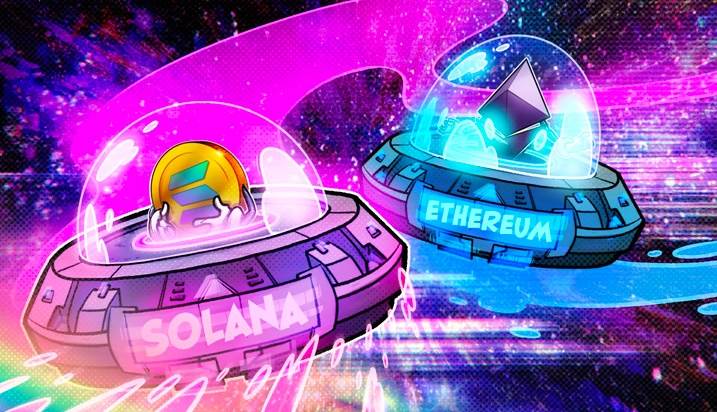
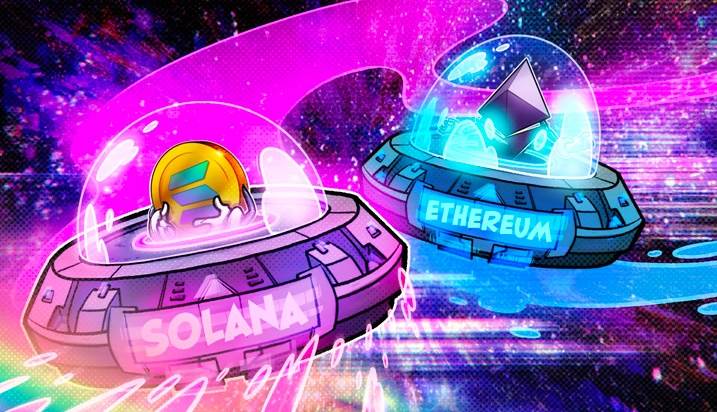
如果美国终于批准了SOL的ETF,这可不只是多一个投资产品那么简单,它可能彻底改变资金流向、市场准入方式,甚至大家使用Solana的方式。本文就带你看看,Solana能不能借这股东风,冲击以太坊在加密世界的地位,哪些指标最关键,又该如何解读这一潜在变革。
关键要点:
● 以太坊ETF已开放准入,但资金流动仍呈周期性。
● Solana的基础设施已就绪:CME期货已上线,期权计划于10月13日推出(待批准)。
● 美国证券交易委员会的通用标准现在允许更快地上市超越比特币和以太坊的现货商品ETP。
● 若Solana要超越以太坊,它需要持续的创造、紧密的对冲、真实的链上使用和持续的开发者动能。
以太坊(ETH)在ETF赛道已领先一步:现货以太坊ETF于2024年7月23日上市,首日净流入约1.07亿,为投资者通过券商和退休账户提供主流投资渠道。
Solana(SOL)的市场基础设施也在加速完善。芝加哥商品交易所(CME)于2025年3月17日推出Solana期货,期权预计于10月13日上线。
2025年9月,美国证券交易委员会(SEC)通过“通用上市标准”,简化了交易所上市现货商品ETP的流程,有望拓宽比特币(BTC)和以太坊之外的上市路径。
此外,在美国以外,SOL已通过欧洲21Shares和加拿大3iQ的合规投资产品进行交易。
在这些市场准入已实现的背景下,关键问题是美国SOL ETF能否激发持续需求,使Solana在价格和基本面上超越以太坊。
在探讨这一问题之前,先梳理相关背景。
以太坊ETF带来的变化与未改变之处
美国现货以太坊ETF于2024年7月23日上市,首日成交额约10亿,净流入约1.07亿,为注册投资顾问(RIA)及机构等主流投资者开辟新渠道。但规模仍低于比特币ETF在1月上市时的表现。
此后,资金流动呈现周期性波动。2025年年中,ETH经历了净申购与资金流出交替的阶段。至8月底和9月中旬,报告显示以太坊产品连续数周实现净流入,推动加密资产管理总规模(AUM)提升。简言之,ETF提升了市场准入,但并未消除市场周期。
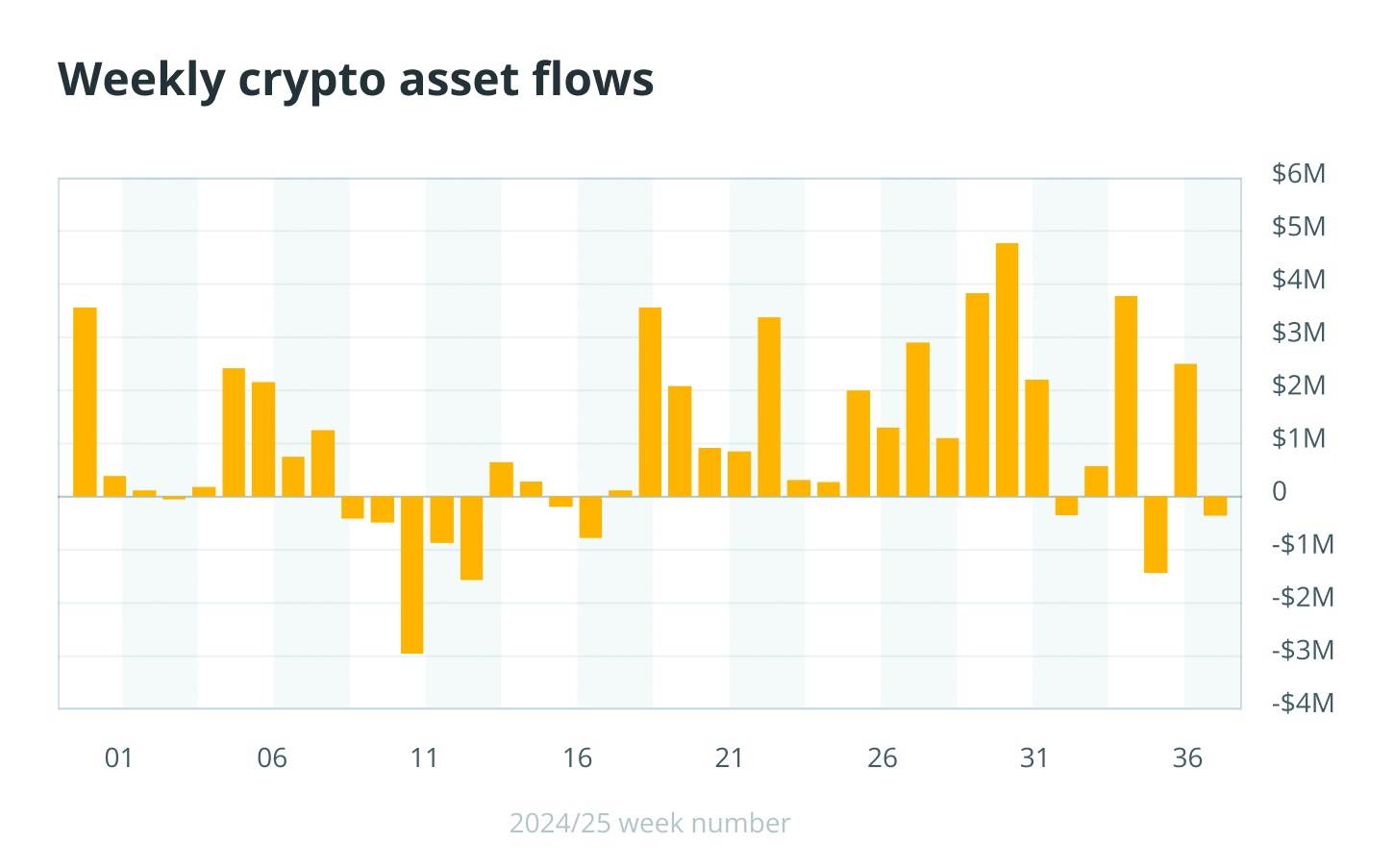
2025年期间,以太坊在ETF需求稳定、机构和企业资金持续流入的支持下,表现优于多数主流加密资产。这一模式表明,ETF虽未改变底层网络基本面,却能影响资本轮动期间的领涨资产。
One design choice remains important: when the US Ethereum ETF is launched, it will not include a staking feature. This limits the potential for higher returns compared to directly holding ETH. The SEC is actively reviewing related staking proposals, but as of October 2025, decisions from several issuers have been postponed. If the staking feature is approved, even if it is partially available, the balance between holding ETF shares and directly owning ETH will change.
Fun fact: US exchanges publish the indicative net asset value (iNAV) of ETFs every about 15 seconds, allowing traders to accurately determine the current pricing of ETFs in real time.
Solana’s current state: usage, growth, and risks
In the second quarter of 2025, Solana generated $271 million in network revenue, leading all L1 and L2 blockchain networks for the third consecutive quarter. In June, data showed that Solana’s number of active addresses was comparable to that of other major L1 and L2 blockchains, indicating significant usage intensity.
In January 2025, Solana processed 59.2 billion P2P stablecoin transfers, a significant rebound from the low levels at the end of 2024. The supply of USDC on Solana was approximately 9.35 billion, and the total stablecoin supply on the network doubled by early 2025, rising from 5.2 billion in January to 11.7 billion in February.
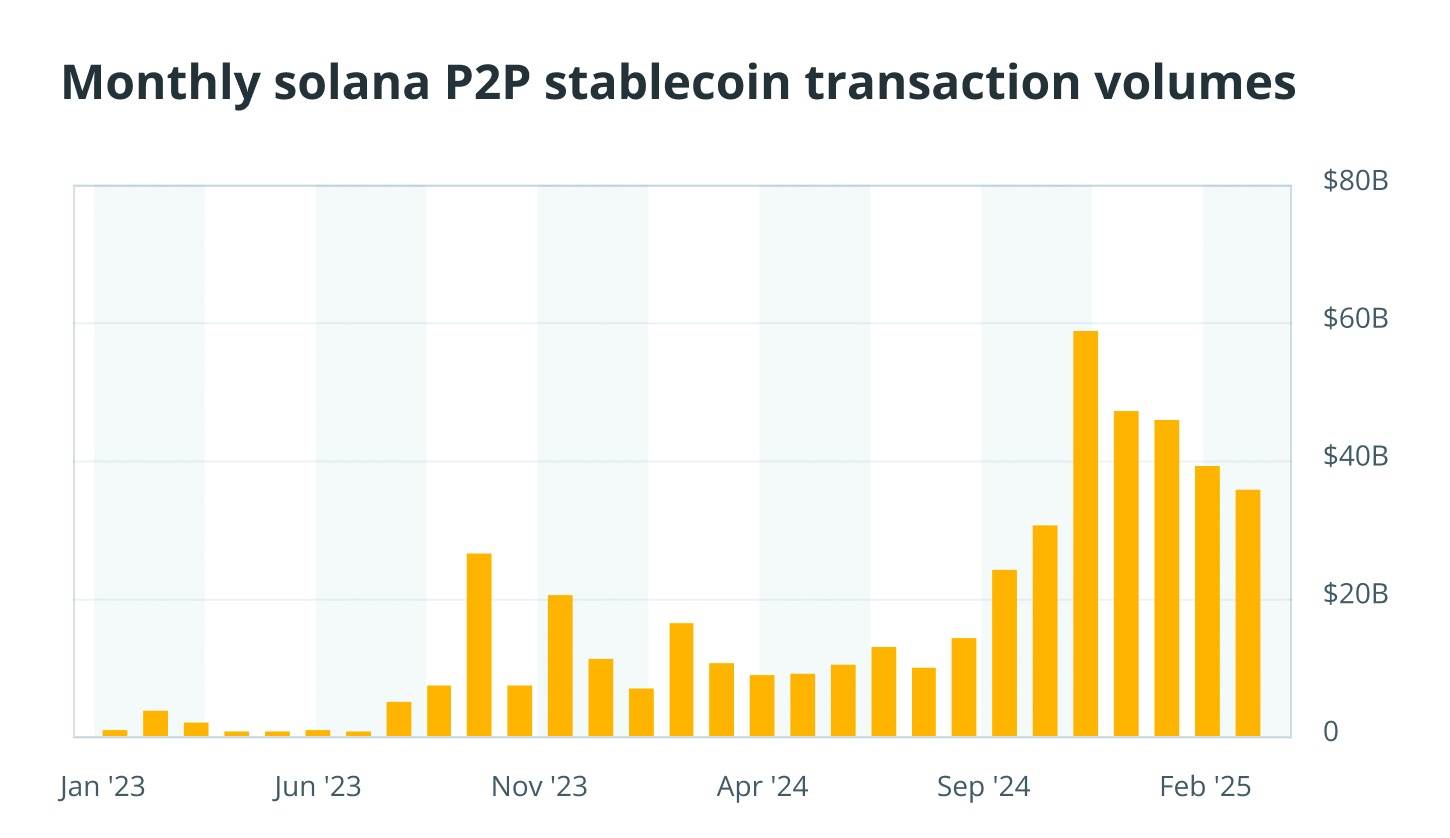
Even so, Ethereum still holds most of the value transferred from stablecoins since the beginning of the year—about 60% by mid-2025—indicating that Solana’s growth is meaningful but not yet dominant.
Cost and speed remain key factors of attraction: fees as low as one cent, block time of 400 milliseconds, and high throughput make Solana an ideal platform for decentralized exchanges and perpetual futures transactions. It will also be a focus during the meme coin boom in 2025. This high volume of transactions provides liquidity, but it also concentrates liquidity in speculative areas.
First is the risk of reliability issues. On February 6, 2024, the Solana network experienced a five-hour outage, requiring coordinated restarts and updates to the client software (v1.17.20).
Next is the regulatory risk. The U.S. SEC accused Solana of being an unregistered securities exchange, but the Solana Foundation denied this claim. The outcome of this situation will depend on future policies.
Fun fact: CME plans to offer daily, monthly, and quarterly expiration options for SOL derivatives, providing more tools for ETF market makers to hedge their positions.
Changes that could occur with U.S. SOL ETFs
● Market access and capital flow: After approval, SOL will be available through mainstream brokerages and retirement accounts, such as RIAs. This will make it easier to allocate funds and expand the buyer base, surpassing traditional crypto trading platforms.
● Market making and hedging: Derivatives listed on Solana provide tools for authorized participants and market makers to buy and sell ETF shares. This supports both basis and relative value trading, helping to keep ETF prices close to their net asset values (NAV) and improving liquidity on the first day of trading.
● Regulatory framework: The SEC’s “general listing standards” have opened up new pathways for listing ETFs beyond BTC and ETH, as long as the issuer meets certain requirements.
● Overseas demand signals: 加拿大3iQ Solana质押ETF(TSX: SOLQ)与欧洲21Shares Solana质押ETP(SIX: ASOL)已显示Solana合规投资产品可吸引投资者关注。
小知识:在欧洲,加密货币无法纳入可转让证券集体投资计划(UCITS)ETF,因此发行方采用ETP,这也是SIX和伦敦证券交易所(LSE)代码中出现“ETP”的原因。
SOL能否真正超越ETH?
看涨情景(批准后六到十二个月)
及时的美国现货SOL ETF,伴随强劲的早期净创造,可能在总回报上超越以太坊。
两个关键杠杆:
● 更广泛的准入:RIA和经纪商在新的通用上市标准下获得曝光。
● 改进的市场机制:通过CME Solana期货和上市期权,AP对冲时的价差更小,容量更大。
基准情景
即使SOL ETF强势推出,资金流动可能会回归跟踪一般风险偏好。以太坊保留了结构性机构优势——得益于其更长的历史、更深的分配者熟悉度和已建立的生态系统。加密货币的每周资金流动波动反映了相对表现可能是波动的,而不是明确倾向于SOL。
看跌情景
Schedule delays or issues related to eligibility criteria under the U.S. Securities Exchange Commission could dampen expectations. Alternatively, liquidity might decrease, and even with derivatives available, AP may reduce its bookkeeping activities and limit new creations. In such cases, Solana’s performance will likely be inferior to Ethereum, which has already benefited from more mature distribution mechanisms.
It’s also worth noting that some regulators are concerned about the reduction in case-by-case review under universal listing standards, which increases policy uncertainty for assets other than Bitcoin and Ethereum.
The key focus is on
. If U.S. spot SOL ETFs are approved, then their future performance will be the main concern.
Key indicators include whether the subscription and redemption of ETF shares continue to show demand, whether CME open interest and option trading activity increase liquidity, and whether metrics such as active users on the chain, fee income, stablecoin settlements, and developer growth can remain stable beyond the speculative boom. If multiple indicators improve simultaneously, the likelihood of SOL surpassing Ethereum increases significantly.
Solana ETFs could help break down major market entry barriers, and its infrastructure is more robust than in previous cycles. However, Ethereum has already attracted billions of dollars in investment due to ETFs, making it a core asset of institutional interest.
Ethereum remains the industry benchmark, and its capital flows—although cyclical—show persistent appeal. Whether Solana can truly surpass Ethereum depends on whether ETF funds can be transformed into sustainable off-chain applications, rather than just being objects of market speculation.