Exchange Ranking
 Top Exchanges
 24h Volume Ranking
 Popularity Ranking
 Exchange BTC Balance
 Proof of Reserves
 Decentralized Exchanges
 Funding Rate
 Funding Heatmap
 Liquidation Data
 Max Pain
 Long/Short Ratio
 Whale L/S Ratio
 Binance/Okex/Huobi L/S
 Bitfinex Margin L/S
 ETF Tracker
 Solana ETF
 XRP ETF
 Hong Kong ETF
 Bitcoin Treasuries
 Crypto Reversal
 Ethereum Reserves
 HyperLiquid Wallet Analysis
 Hyperliquid Whale Watch
 Large Transactions
 On-chain Movement
 Bitcoin ROI
 Stablecoin Market Cap
 Options Analysis
 News
 Articles
 Economic Calendar
 Features
 Wallet
 Contract Calculator


 Security
 Collections
 Watchlist
 Following
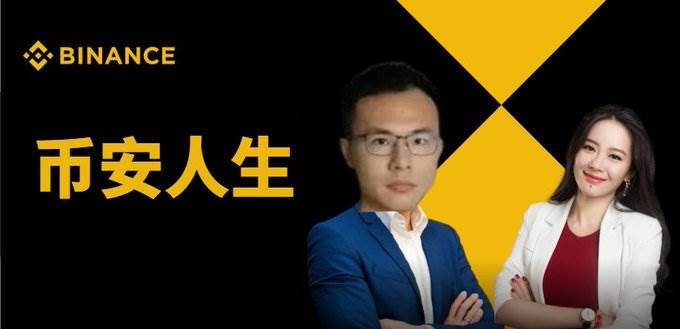
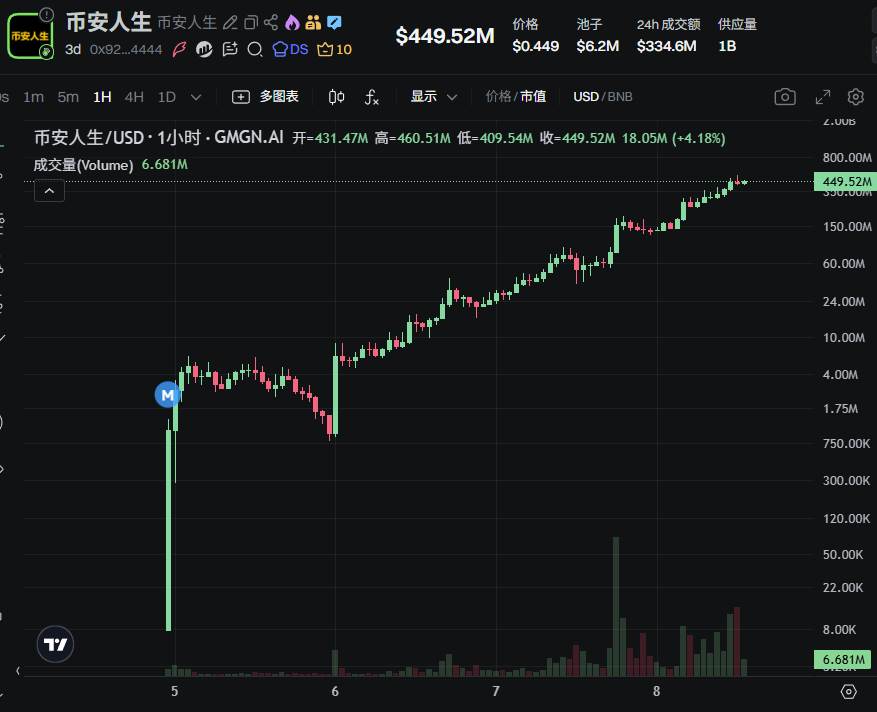
The crypto community once again became the focus of attention due to the “power of Chinese culture” – this time, the star of the story is a meme coin called “Binance Life”. After Binance’s co-founder, He Yi, posted a playful tweet on social media, this previously unknown token experienced a staggering increase of 6000 times in just 96 hours, with its market value reaching over $500 million. What’s more interesting is that this wasn’t just a case of price miracle; it was also a cultural phenomenon: for the first time, stories related to the Chinese-speaking community made it onto the global meme stage. From emotions to capital, “Binance Life” showed the world the collective enthusiasm surrounding Chinese-language meme coins.
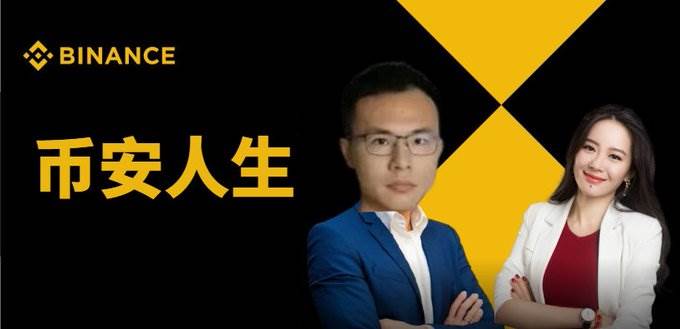
When the value of a joke exceeds $500 million, it’s no longer just a joke.
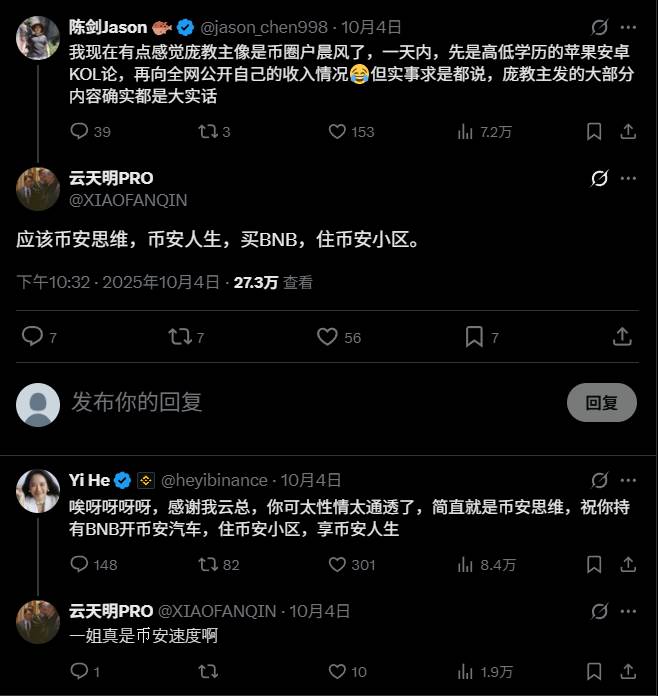
On the evening of October 4th, He Yi’s tweet on X reading “Wish you a happy Binance Life” acted like a spark thrown into a haystack, instantly igniting a firestorm that swept through the Chinese crypto world. Within 96 hours, a meme coin named after this trend became so popular that its market value rose from zero to over $500 million. This wasn’t an isolated case of sudden wealth accumulation; it was a textbook example of a narrative attack orchestrated by market sentiment, high-level interactions, and community strength. It clearly revealed the core problem in today’s market: when the narrative of “value coins” dominated by institutions becomes exhausting, a grassroots cultural force begins to reshape the rules of the game in a seemingly arbitrary manner.
In recent months, those “king-level” projects, adorned with the halo of fame and valued at billions of dollars, have turned into ruthless instruments for speculators to exploit. Their model of “high FDV (fully diluted valuation) and low liquidity” means that ordinary investors are burdened from the start with heavy selling pressure that will continue for several years to come. The community has lost its patience and confidence due to the continuous decline in prices. As veteran KOL Chen Jian (@jason_chen998) said, “From focusing on high-market-cap VC coins to continuous selling and declining prices, retail investors are voicing their dissatisfaction…” This accumulation of negative emotions created the perfect breeding ground for a shift in market dynamics. When mainstream narratives lose momentum, exchanges need new sources of excitement to keep trading volume alive, while retail investors urgently need an asset that offers fair opportunities for wealth creation, without any VC or fractional ownership concerns. Memes, as the most pure form of consensus-building, became the inevitable choice for both parties.
He Yi’s response served as the “perfect moment” to trigger this change. It wasn’t something created out of thin air; it accurately captured and amplified the long-existing “coin circle dream” within the Chinese-speaking community—a collective desire to overcome market ups and downs and achieve social mobility. Skilled developers and KOLs quickly understood this situation and managed to set up communities within minutes, allowing the community to take control of the initial phase of development.
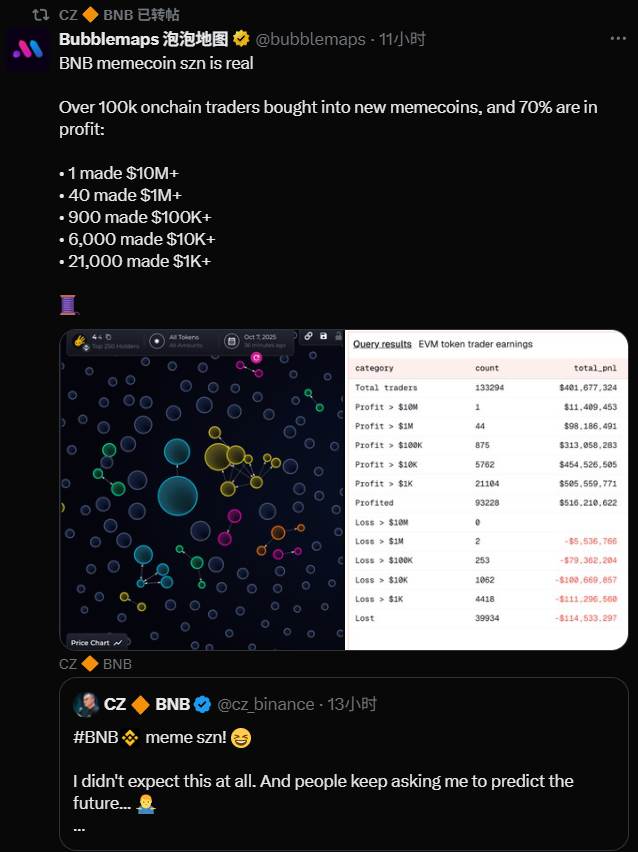
CZ (Zhao Changpeng)'s personal departure served as the crucial catalyst for this explosive growth. He shared a tweet from the data platform Bubblemaps and commented, “#BNB meme Szn! I didn’t expect this at all.” This seemingly “unexpected” comment was actually a “imperial” act of recognition—it sent a clear message: the authorities not only saw this happening, but they also welcomed it with open arms.
The wealth effect of this phenomenon is astonishing; it’s not just an isolated case. Bubblemaps’ data clearly shows a scene of collective wealth creation: over 100,000 traders participated, with 70% of them making profits. Over 40 people became millionaires, and nearly a thousand became multimillionaires. This isn’t anymore just a game for a few individuals—it’s a collective event that benefits tens of thousands of people. This powerful wealth effect has been translated into real money flow. According to deBridge’s data, in just one week, the BNB Chain has been able to extract significant amounts of value from major mainstream blockchains like Ethereum Mainnet, Solana, Arbitrum, and Base. The net inflow of funds is impressive. Additionally, Coinglass data shows that the total number of BNB contracts on the network has reached a record high of $3.088 billion. This meme-driven phenomenon has ultimately contributed to the true value of BNB itself.
This kind of explosive marketing tactics reminds many experienced traders of something they’ve seen before. Yes, this enthusiasm bears a strong resemblance to the “BNB Season” in March this year. But the methods used here have evolved significantly. In March, CZ’s use of memes as marketing tools was still quite inexperienced, going through three stages: initial experimentation, gradual improvement, and finally mastery. With the launch of the test coin $TST, CZ tried to keep things simple by simply saying “Happy Trading”. However, he underestimated his own influence, resulting in the token losing momentum after it was listed on Binance. Later, with the concept of $Broccoli, CZ learned how to use storytelling to create emotional impact. But he made a fatal mistake: he didn’t specify a single contract address. This led to chaos in the market, with thousands of coins with similar names causing confusion and misdirection. Eventually, it turned into a failed “stress test”, where retail investors were exploited. It wasn’t until the introduction of $Mubarak that CZ’s marketing techniques became truly effective. He learned to use official accounts to create meme images to generate interest, then actively participate in the conversation. Most importantly, he managed to find a reliable contract address for the market, preventing further confusion and misdirection. From letting $TST fizzle out, to creating chaos with $Broccoli, to carefully guiding the market with $Mubarak – it was a clear process of learning and improvement.
However, in this current “Binance Life” season, the gameplay has been updated again, and can be described as “master-level”. If in March, the protagonist was CZ, with the script being driven from above downwards; then this time, the protagonist has become the community itself, and the script is triggered from below upwards. He Yi’s role is no longer that of a “commander”, but rather a “trigger”. She didn’t create any new concepts, but instead accurately captured and amplified the existing “coin circle dreams” among the community. Developers and KOLs understood this perfectly and quickly completed the process from deployment to securing leadership. CZ’s subsequent comments served as a “imperial coronation” after the community’s consensus had been formed. This approach of acting in accordance with the trends is more sophisticated than the “creating something out of nothing” strategy used in March, and it also has greater potential for success. It eliminates all attempts at creating something “applicable” and goes straight to the core of trading—consensus. This is a ultimate simplification at the narrative level, with very low barriers to entry, perfectly fitting the current market’s desire for pure, quick wealth generation.
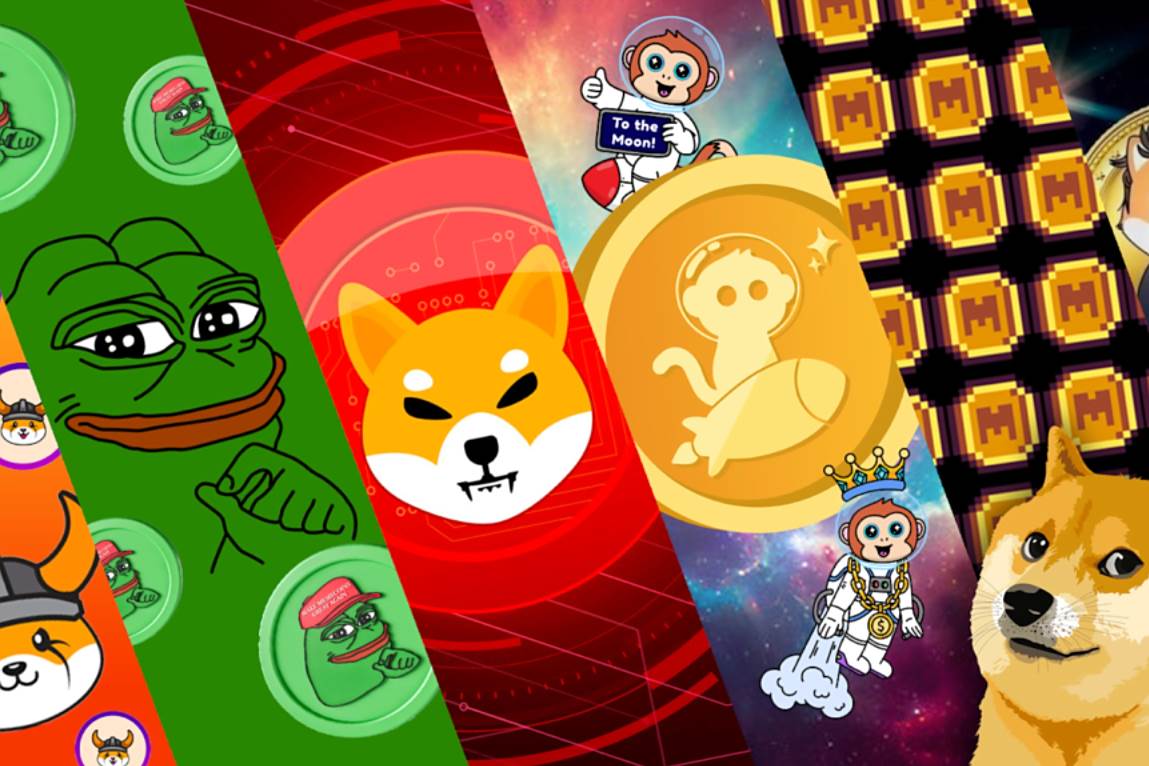
Once you understand this, you realize that this isn’t just some simple rallying of prices. This is actually a movement towards “cultural revival” in the Chinese-speaking region. For a long time, memes on the blockchain have been dominated by Western-style narratives like DOGE, PEPE, and WIF, all of which use visual humor that appeals to people around the world. But “Binance Life” opens up a new front: a deep resonance based on specific language and cultural backgrounds. It doesn’t need everyone to understand it; it just needs to get those who are part of our own community hooked in an instant.
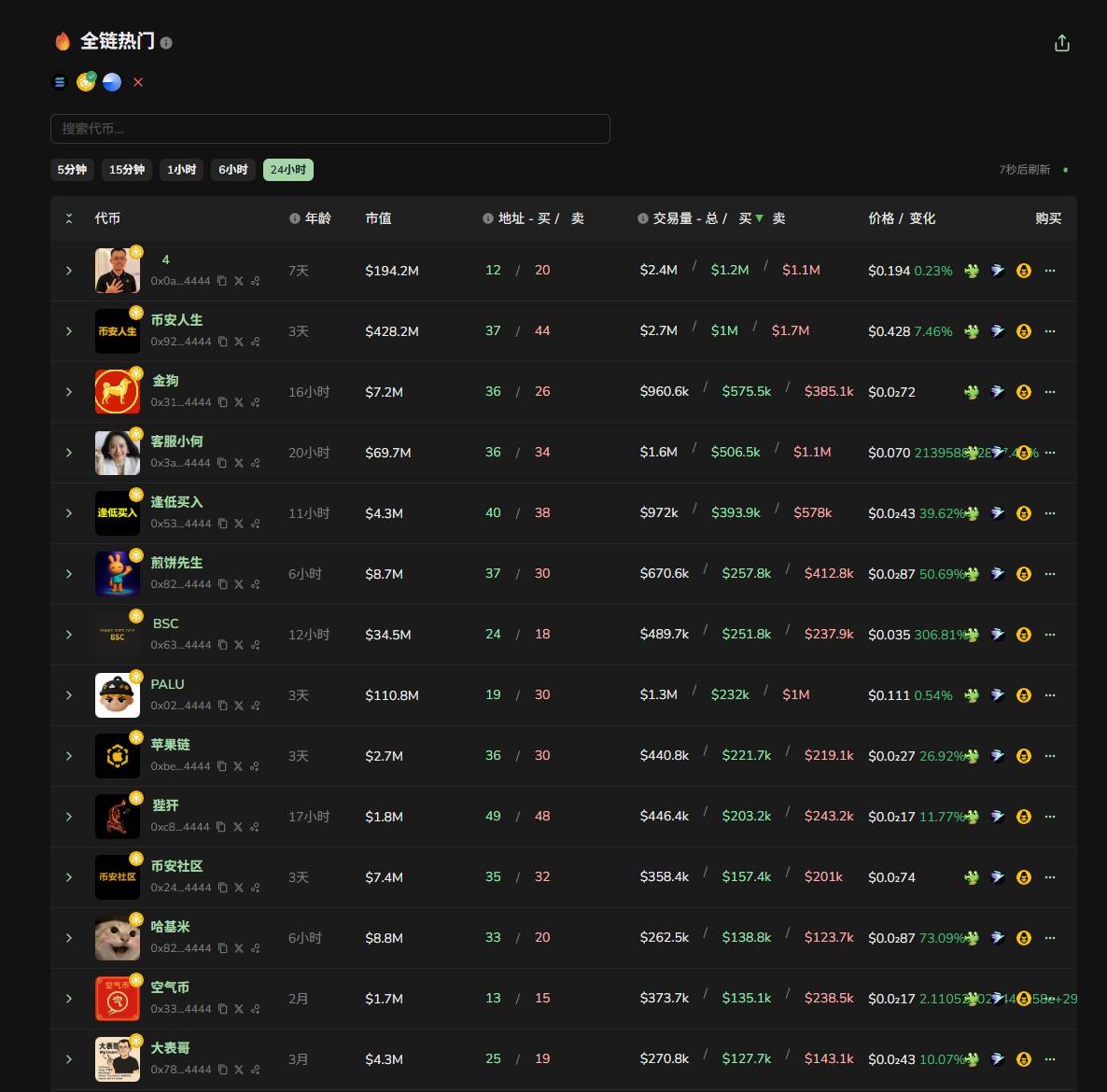
This can be seen as a “cultural counterattack” that takes place within the blockchain. It demonstrates that the Chinese-language community is no longer just a mere successor to Western narratives; it can also become a powerful force behind these narratives. The “Sun Wukong” on the Solana chain has already demonstrated its capabilities once before, and “Binance Life” has taken this phenomenon to new heights within Binance’s vast global network of users. It shows the world with real money that Eastern cultures possess the potential to overturn traditional narratives.
Of course, memes eventually reach their peak after a period of growth. When the excitement subsides, the value of “Binance Life” will ultimately be determined by the resilience of its community’s consensus. But no matter what the future holds for this meme, the fire it has ignited has spread across a broader digital landscape. The “Chinese Meme Era” may just have begun.
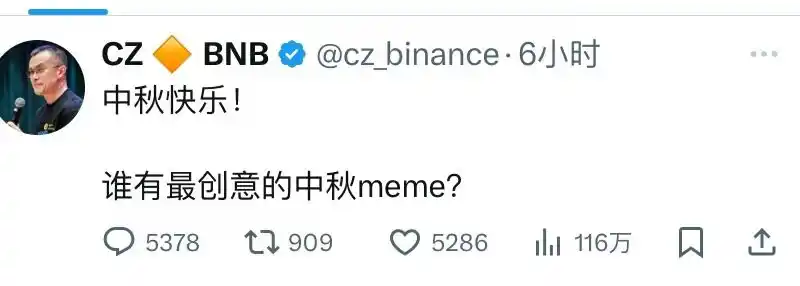
“Binance Life” has sparked a craze for Chinese memes.
Chinese memes aren’t new to the scene. There have been several instances of Chinese meme crazes on the Solana chain, including those related to the Spring Festival Gala mascots, the “Naughty Dog” movie IP, and the “Black Mythology Wukong” IP. However, these Chinese memes usually had short lifespans and limited liquidity. Another reason is that, in the eyes of most investors, it’s practically impossible for Chinese memes to gain more liquidity on CEXs.
The meme “Binance Life” is closely related to Binance. It has received positive feedback from CZ and He Yi, and has become a popular trend among users. Therefore, many optimistic investors believe that it is very likely to be launched on Binance Alpha. As expected, Binance Alpha indeed launched “Binance Life”. Its market value exceeded $100 million. More importantly, this launch broke the stereotype held by most investors that Binance would never or could not introduce Chinese memes into its platform.
Thus, as the first Chinese meme coin to be launched on Binance’s platform, “Binance Life” successfully set a new standard for Chinese meme coins. It sparked a global craze for Chinese memes on the BSC. The community also joked that in the past, people could only buy foreign-made memes, but now they can also enjoy Chinese memes.
The significant financial impact of “Binance Life” has attracted many overseas meme communities who want to join the Chinese community. Even well-known overseas influencer Ansem posted about joining the BSC Chinese community.
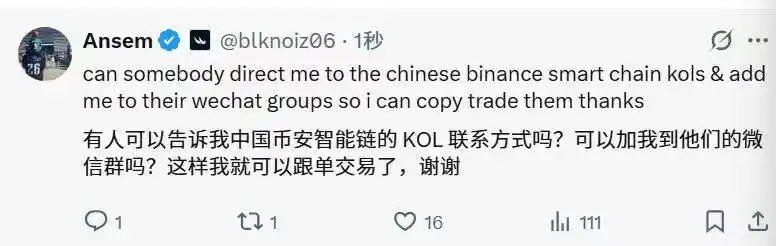
Some smart investors and meme enthusiasts have started monitoring wallets connected to the Chinese blockchain. They are asking questions on Twitter.
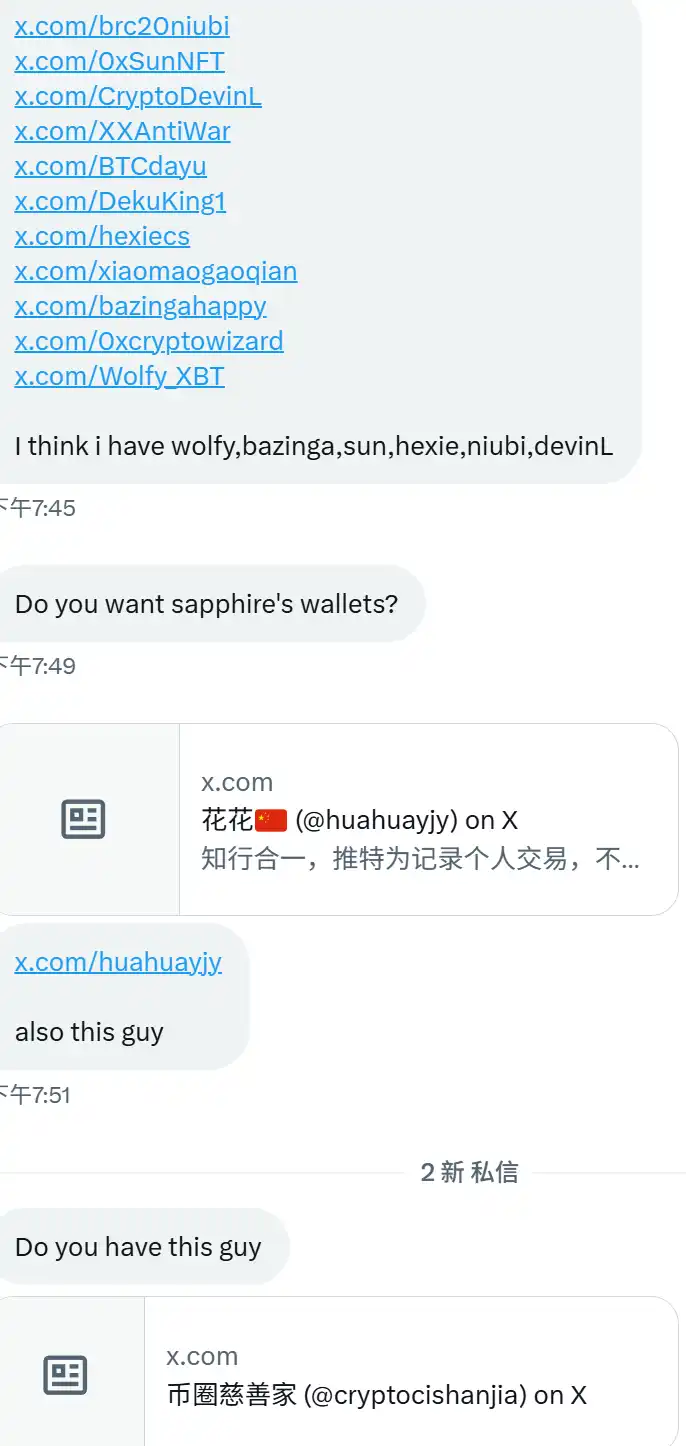
Foreigners are asking for the wallet addresses of Chinese influencers.
In recent days, the crypto community has made significant contributions to spreading Chinese culture and influence…
In the future blockchain world, we may see more Memes based on different cultures and languages emerge. These Memes together will form a more diverse and exciting crypto culture. The story of “Binance Life” will be remembered for a long time, as it demonstrates in the most extreme and dramatic way that in the world of Web3, the most powerful code is often simply the slogan written in people’s hearts. Which combination of Chinese characters will next spark excitement among the community? This question remains open to you who are still at the table.