Exchange Ranking
 Top Exchanges
 24h Volume Ranking
 Popularity Ranking
 Exchange BTC Balance
 Proof of Reserves
 Decentralized Exchanges
 Funding Rate
 Funding Heatmap
 Liquidation Data
 Max Pain
 Long/Short Ratio
 Whale L/S Ratio
 Binance/Okex/Huobi L/S
 Bitfinex Margin L/S
 ETF Tracker
 Solana ETF
 XRP ETF
 Hong Kong ETF
 Bitcoin Treasuries
 Crypto Reversal
 Ethereum Reserves
 HyperLiquid Wallet Analysis
 Hyperliquid Whale Watch
 Large Transactions
 On-chain Movement
 Bitcoin ROI
 Stablecoin Market Cap
 Options Analysis
 News
 Articles
 Economic Calendar
 Features
 Wallet
 Contract Calculator


 Security
 Collections
 Watchlist
 Following
 XRP
The U.S. SEC and CFTC set a timetable for joint supervision of digital assets
Cryptocurrency researcher SMQKE released a detailed regulatory timetable for formal legislation on digital assets by the U.S. Securities and Exchange Commission (SEC) and the Commodity Futures Trading Commission (CFTC). The schedule shows that joint legislative work will be carried out from the end of 2026 to 2027, and the goal of full implementation is set for early 2027. As the regulatory deadline approaches, this development marks an important countdown for exchanges and XRP holders.
Regulatory Timetable and Phased Implementation
According to SMQKE's overview, the legislative process begins with a Senate committee revision process initially expected in March 2026, and is subsequently expected to be held in April or May 2026. If approved, the bill will be submitted to the President for signature, which is expected to be signed in June 2026.
A "temporary registration" period will be initiated after the president signs it. At this stage, crypto exchanges can register with the CFTC to avoid enforcement action, thereby establishing compliance status before the regulations fully take effect. There are two main nodes on the timeline that are eye-catching: one is the "joint rule-making period" expected to begin from the end of 2026 to 2027, and the other is the end of full implementation in early 2027. By then, the 18-month grace period will end and all platforms operating in the U.S. digital asset market must achieve full compliance.
"Late 2026 to early 2027 is a critical stage when the SEC and CFTC will finalize joint rules on token classification and custody. As full implementation is completed, all platforms are required to achieve full regulatory compliance."
Legislative setbacks and institutional actions
SMQKE's timetable assumes the smooth passage of the CLARITY Act, an important piece of legislation designed to clarify the regulation of digital assets. However, the bill failed in the Senate closing debate on September 15 and was not passed by 11 votes. All Democratic lawmakers present voted against it.
Despite setbacks, regulators continue to use their existing legal powers to move forward. SEC Chairman Paul Atkins announced that the agency will continue to act within its legal authority. The CFTC issued a similar statement.
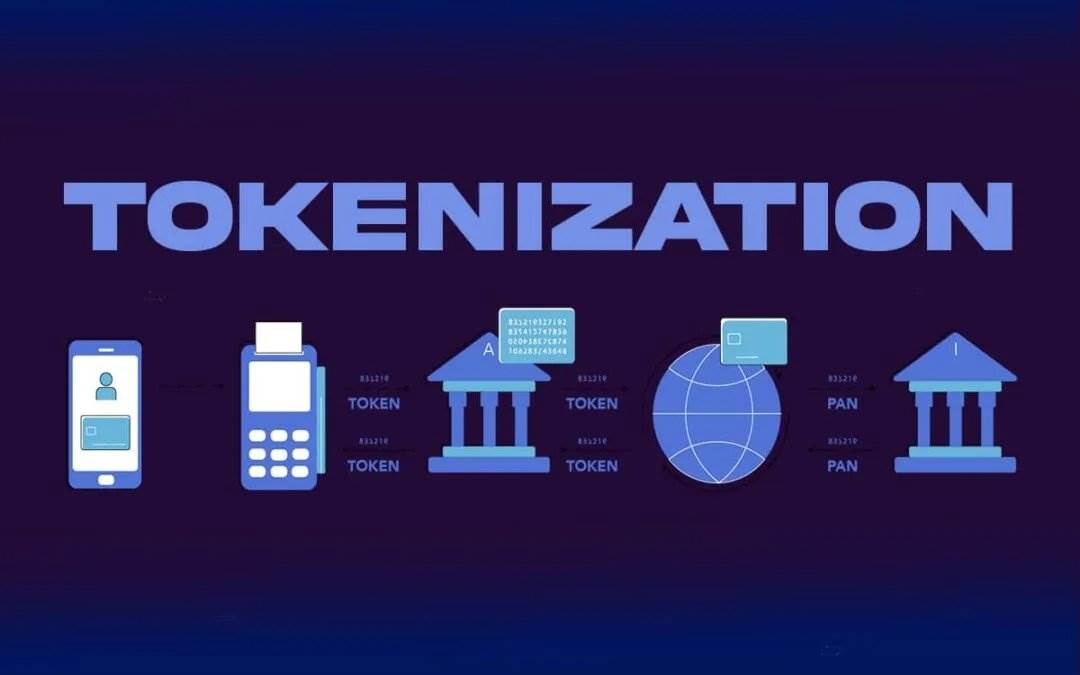
After the failed vote, the SEC introduced the "Innovation Waiver" on September 17, establishing a conditional five-year framework to allow tokenized stock trading under certain conditions. On the same day, the CFTC extended its no-action stance on passive software providers involved in digital assets. In addition, the SEC also released a proposal on crypto custody for investment advisers in early October.
This policy approach emphasizes gradually building a compliance framework for the industry through regulatory guidance and exemptions without clear legislative changes.
Dictionary of Terms: SEC and CFTC
The SEC (U.S. Securities and Exchange Commission) and the CFTC (U.S. Commodity Futures Trading Commission) are the two major federal agencies in the United States responsible for regulating the securities and derivatives markets, respectively. Their joint rulemaking refers to the process by which the two regulators work together to create coordinated rules to oversee digital assets, including cryptocurrencies.
XRP's Role in the Future Wave of Regulation
In a joint SEC and CFTC interpretation finalized in March 2026, XRP was listed as one of sixteen digital assets classified as commodities. The regulatory framework that emerges during the upcoming rulemaking window will directly affect how exchanges and institutional participants handle XRP, particularly with regard to custody and classification requirements.
With the failure of the CLARITY Act, more of the blame falls on regulators than on legislators. As regulators are using existing legal powers to advance their rules, late 2026 to early 2027 has become a focus period.
In the absence of new legislation, regulators continue to shape the digital asset landscape by issuing exemptions, proposals and interpretations, highlighting the importance of the upcoming joint rulemaking period for assets such as XRP.