Exchange Ranking
 Top Exchanges
 24h Volume Ranking
 Popularity Ranking
 Exchange BTC Balance
 Proof of Reserves
 Decentralized Exchanges
 Funding Rate
 Funding Heatmap
 Liquidation Data
 Max Pain
 Long/Short Ratio
 Whale L/S Ratio
 Binance/Okex/Huobi L/S
 Bitfinex Margin L/S
 ETF Tracker
 Solana ETF
 XRP ETF
 Hong Kong ETF
 Bitcoin Treasuries
 Crypto Reversal
 Ethereum Reserves
 HyperLiquid Wallet Analysis
 Hyperliquid Whale Watch
 Large Transactions
 On-chain Movement
 Bitcoin ROI
 Stablecoin Market Cap
 Options Analysis
 News
 Articles
 Economic Calendar
 Features
 Wallet
 Contract Calculator


 Security
 Collections
 Watchlist
 Following
 NFT
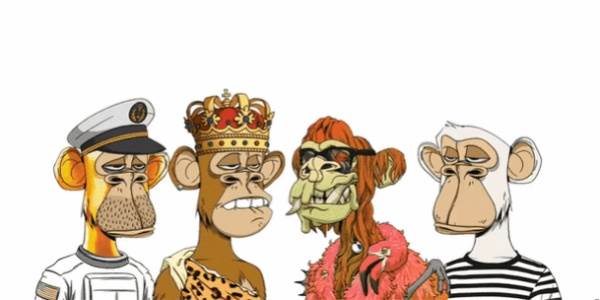
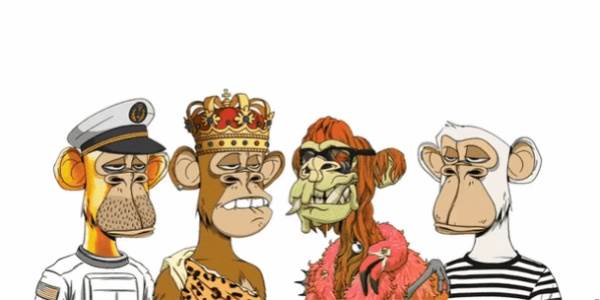
During bull markets, NFTs became a “digital identity symbol” that everyone sought after. In particular, BAYC (Bored Ape Yacht Club) was once seen as a ticket to the crypto elite world. Celebrities and institutions invested heavily in it, causing its value to soar sky-high. But now, as the market cools down and excitement fades, many of those who once held these NFTs have become mere “bagholders.” Seeing the prices drop significantly and the community become quiet, they realize that the NFT market is more like a psychological battle than they thought. Some call this a “bet on digital art,” while others see it as a painful process of evolution in blockchain culture. Regardless, this journey from fervor to soberness reflects the shift from frenzy to rationality within the entire crypto community.
I. The Decline of NFTs
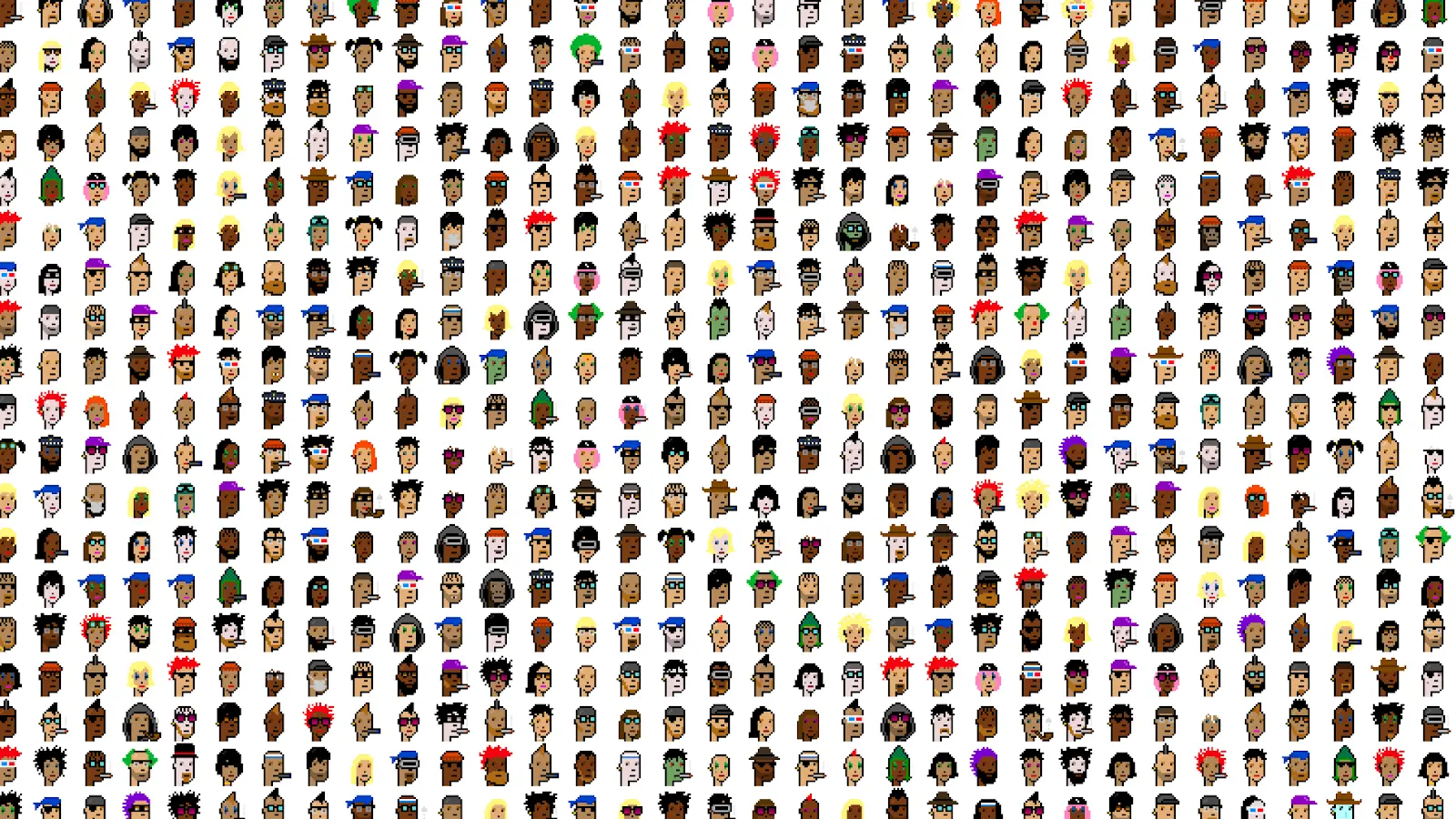
The last cry of NFTs ended with the launch of Pudgy Penguins. Doodles’ recent token issuance on Solana only produced little traction. Yuga Labs continues to reduce its portfolio. This time, it chose the most iconic IP, Cryptopunks. Those BitCoin NFTs that were part of the last wave of NFT revival have almost disappeared. These once-fascinating narratives have now faded away, with no one paying any attention to them anymore.
The vision behind 10k PFP was wonderful: a community that could help an IP project reach the world through grassroots efforts. This is completely different from traditional IP projects that rely on massive investments in content creation. For example, Disney’s Marvel Universe, Star Wars, and various animated characters require years of development and significant funding to become truly popular and profitable.
而 NFT 完全不同,它的准入门槛极低,塑造一个 IP,以及将 IP 资产化的速度相当之快。创作者只需要支付一些 Gas 就能将自己的艺术品挂在 Opensea 上售卖,没有画廊,没有玩具公司、电影公司,也不需要任何专业团队,一个 IP、一个新的艺术家就此诞生。
我们在三、四年前也见证过,一些自下而上的 IP 流行于欧美、日韩的顶级娱乐圈中。一个草根艺术家也能靠 NFT 实现素人逆袭。对我而言,作为一个看日漫长大的 Z 世代,能通过 Crypto 参与曾经普通人无法接触到的 IP 投资与孵化中,也算极为梦幻的事情。
但在后来 BAYC 的“疯狂套娃”,Azuki 灾难级的子系列 Elemental 发售后。NFT 模糊的地位逐渐清晰,它并不像是一种股权或投资,反而更像一种带着会员福利的昂贵奢侈品。而项目方还希望我们能不断购买子系列,用以支撑他们后续不断砸钱做 IP 价值内核的 Roadmap。矛盾的种子从这里埋下,项目方知道做内容很贵,但不做内容 IP 会死。每隔数月就发一次的子系列又在不断吸血 OG 系列持有者,折磨社区的每一个人,等待内容带来的反馈或许还得很多年,又或许这个反馈永远等不来。裂隙开始不断变大,那些美好幻想随着地板价的下跌开始破灭,余下的只有各种撕逼。
二、IP 届的王牌 MCN-PoP MART
如果把 NFT 看作 Z 世代的奢侈潮玩,其成因与败因则更加清晰。在快餐时代下没有内容也不是一件坏事,毕竟仅凭外形就能快速吸引买家,比如 Azuki 的画风就挺符合亚洲人的审美,在共识之下这个草根制作的 NFT 系列也能紧随 BAYC 之后成为第三大蓝筹。现实世界中 Bearbrick(积木熊)、B.Duck 小黄鸭、Molly 等知名潮玩同样都没有内容支撑,但都依靠独特的外形风靡一时。
不过潮流总是一阵风,没有内容作为价值内核这些 IP 随时可能会过时。受限于币圈的文化,以及 NFT 超低的成功率,项目方往往是围绕一个 IP 不断做衍生。但现实就是内核还没做出一个雏形,这阵风就过去了。
Of course, there are also PFP projects that have sufficient content to support them—such as Japanese-style NFTs. In the past, I’ve seen at least four or five projects that own well-known Japanese anime IPs, hoping to make a big splash in the NFT market. However, it seems they haven’t considered that the fan base of these IPs is completely incompatible with the NFT ecosystem. Another issue is that there are already too many products related to Japanese anime, so why would fans want to pay hundreds of times more for just a small image? And of course, the most important point is that this small image can only be a mere image; there’s no room for further development or empowerment in the future. Even if you purchase an NFT, you’ll only get access to the “SIDE-G” portal within the metaverse. Wanda’s profits from models, games, and animations have nothing to do with you at all. The community isn’t even part of the IP incubation process; in fact, they might even be considered outliers among the entire Gundam fanbase. In this regard, the problems faced by GameFi projects are actually very similar.
Thus, PFP projects have become a pseudo-problem; only the practical “Little Penguin” project continues to strive hard. But does this small image really have any other possibilities? I think PoP MART might offer a different answer.
This small store, originally located at the Beijing Meihu Hui shopping center, managed to turn things around thanks to its partnership with Sonny Angel. This single series accounted for nearly 30% of PoP MART’s sales at that time. The copyright holders, eager for profit, took back their exclusive rights after just one year. But this move actually led to the creation of an IP empire.
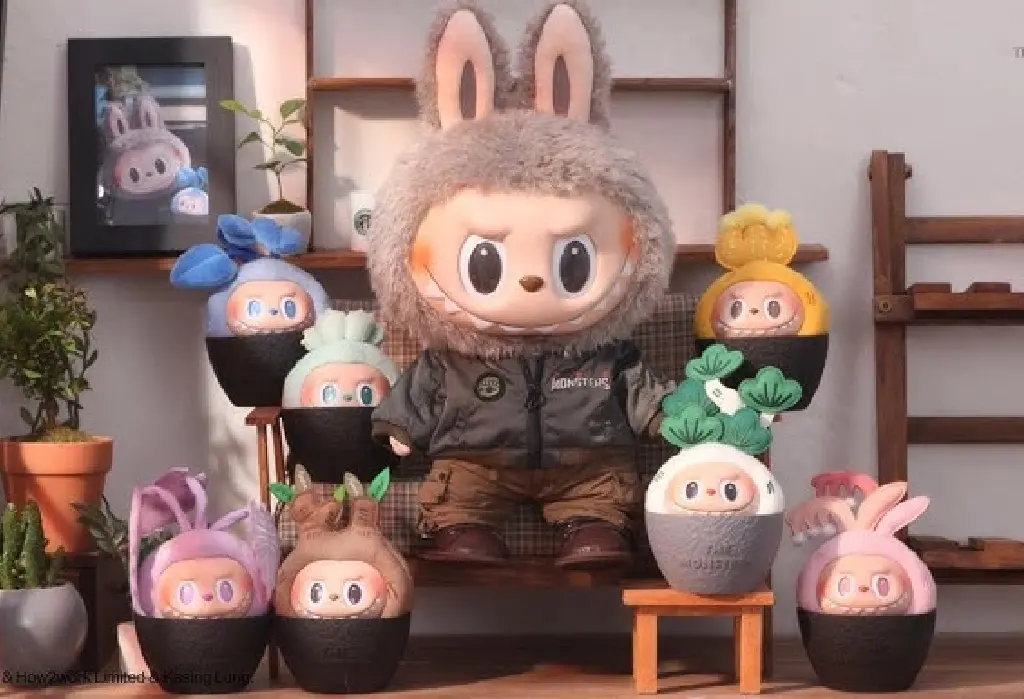
王宁(PoP MART 创始人)在此时的思路很简单,做自有 IP,做别人夺不走的 IP。2016 年,PoP MART 与香港设计师王信明合作推出首个自主潮玩系列——Molly,这个带着嘟嘴形象的小女孩瞬间风靡全国,通过盲盒玩法的不确定性的刺激与多巴胺驱动。PoP MART 开始了第一段火箭式上升,至 2019 年,Molly 单一 IP 年销售额已达 4.56 亿元,成为 PoP MART 此时的核心收入来源。
这种结合了日式扭蛋与高端潮玩做联名的打法,在后来几年 NFT 的热潮中也很常见。由艺术家设计基本元素再交给项目方组合为系列图片售卖、运营。NFT 在首发阶段一般也均为盲盒形式,项目方会放出各种稀有组合的图片,来加强玩家的购买欲。
两者只是发售的形式不同,但数万个 NFT 项目与各种蓝筹普遍都失败了。而 PoP MART 如今又迎来第二春,为何?
曾经我将原因归结于落地困难,购买门槛太高。前者从目前来看没有任何问题,而后者其实不然,NFT 也有 Free Mint 的土狗时期,Goblintown、MIMIC SHHANS 都是那个时期的金狗,创作者仅靠交易抽成也赚的盆满钵满,铭文时代的诸多 NFT 在这个基础上去中心化程度还更彻底,但这也拦不住 NFT 的落寞。组建、加入一个 IP 社区都非常简单,难的还是延续。
So, I think we might be dealing with a misconfiguration in our approach. After the initial rapid rise in value, Molly didn’t really help PoP MART become successful. The company’s stock price dropped significantly over the years, from 2021 to 2024, just like NFTs. But PoP MART has now turned profitable. This is thanks to its extensive portfolio of proprietary IPs: Molly, DIMOO, BOBO&COCO, YUKI, Hirono, along with 12 exclusive IPs like THE MONSTERS (including Labubu), PUCKY, SATYR RORY. There are also over 50 co-branded IPs with brands like Harry Potter, Disney, and League of Legends.
People’s preferences are always changeable, and IPs have limited lifespan. But what if I had hundreds of options to choose from? Currently, Labubu is very popular in Europe, America, and Southeast Asia. Its merchandise is so valuable that it can be considered a “plastic version of Moutai”. Yuga Labs’ vision is finally coming true in Web2, and this isn’t surprising at all.
We need to rethink what constitutes an effective IP business and what the roadmap for NFTs should be. Why could PoP MART achieve such high levels of success without any substantial content support?
Third, Pudgy Penguins
I even attended an event organized by Little Penguin Hong Kong last year. This NFT project always shows great enthusiasm towards its community.
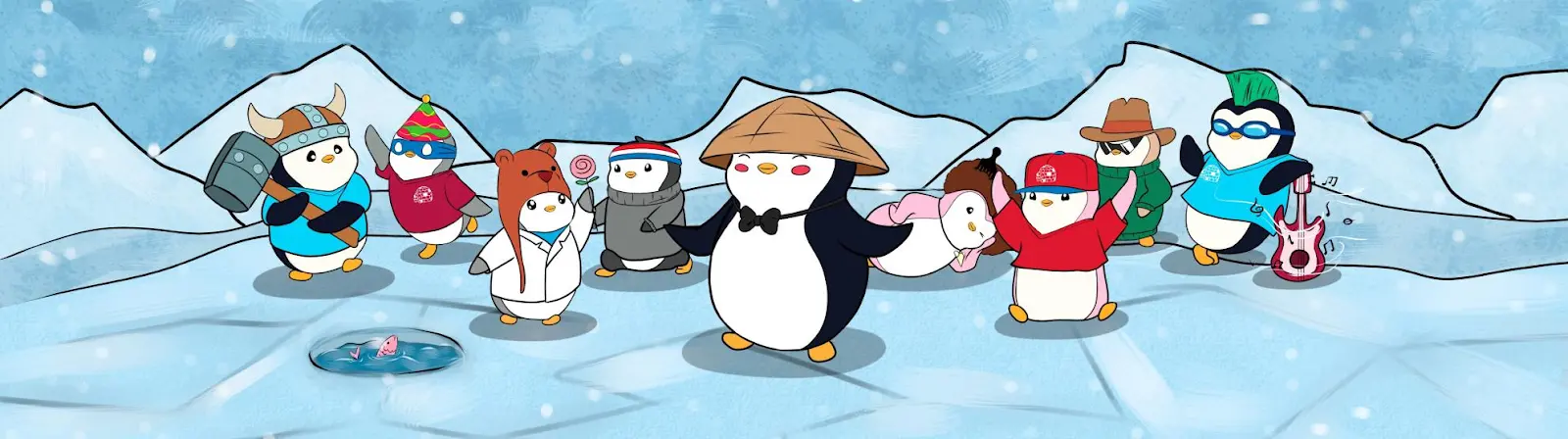
The success of Pudgy Penguins lies in their focus on practicality. After all, NFTs themselves don’t represent any significant technological advancements. No matter how clever the minting process may be, ultimately it still ends up being just a JPEG image. The challenge with NFTs is integrating IP into them. This is hundreds of times more difficult than creating high-quality PFP images. Yuga Labs wants to create something for the Metaverse, while Azuki wants to create anime-style content. Okay, both of these ideas are cool, but projects that require billions in investment usually involve community members who are willing to pay for them.
This highly compressed world is too impulsive; everyone wants quick results. Holders want to make big money, while project creators hope to achieve instant success. Few leading projects are willing to compromise. In the end, those who are too impatient will suffer the most. The original team behind Pudgy Penguins was also too impulsive. After facing problems due to poor reputation management, they sold the little penguins at a low price.
It wasn’t until then that the little penguins met their true owner, Luca Netz. With years of experience in physical marketing, Luca Netz managed to restore the little penguins to their proper status. Luca Netz is truly working towards building a brand. He operates a company for NFT holders. From marketing to plush toys, and eventually to games, every step of the process is carefully planned. Both the company and the holders benefit from this approach. There’s nothing special about it—it’s simply doing what it needs to do. So, it turns out that bottom-up approaches to IP can work in Web3. The problem is that too many project creators don’t take the time to be humble.
So, I really dislike the term “disproof”. It seems as though certain things never should have existed at all. Electric vehicles were once stupid, and Siri in my phone is also quite problematic. But that doesn’t mean that green-licensed vehicles are now widespread throughout cities, and AI, of course, is even more problematic. Many so-called “disproven” projects will still be tried in the future within Web3, but they lack the right partners to implement them effectively.
Many所谓的“被证伪”的项目,未来仍会被尝试,只是它们缺乏合适的合作伙伴。
Fourth, the path to success is both simple and difficult. PFP-based projects must break away from the inherent logic of crypto. To become the next Web3 Disney, significant time and effort are required. I’ve discussed this topic in my previous articles: whether the scarcity of NFTs actually hinders their adoption by the public. If we define NFTs as trendy consumer goods, then their $10,000 price tag might be too high. But if we consider them as a unique asset and fundraising method within Web3, then IPs ultimately need to be turned into tangible products that fulfill their promises to the community, rather than just being a bunch of weird sub-series.
Given the unique culture of the cryptocurrency industry and the properties of NFTs, it’s frustrating to see an IP remain stagnant over time. How can we make use of these PFP-based projects? How can we turn a project into a real IP factory? This may require us to embrace new concepts and introduce more technologies and gameplay elements.
Fifth, is issuing coins the final step?
I still don’t understand the true meaning of issuing NFTs. This situation seems more like a form of exploitation by those in power over those who are at a lower status. It also dilutes the value of existing NFTs. I can only think of it as a way for the project to find a convenient way to exit the market.
From APE to DOOD, these tokens seem to be variations of “air coins”. Their benefits often include dividends from blockchain transactions, access to items in the metaverse, and rights to governance. In theory, it should be a perfect cycle where holders → pledgers → developers all benefit from each other. But in reality, it’s more like air that gets trapped in a cycle of decline: the value of NFTs falls, the profits from mining decrease, and the value of tokens also declines.
For those who own existing NFTs, although they do get some dividends and rights, most of them also receive significant shareouts during token launches. So no one really complains about this. But in the long run, as mentioned in the fourth paragraph, this is simply a form of dilution. The distribution like that of Azuki’s Anime is even more obvious.
Short-term popularity is important, but the long-term sustainability of a project is even more crucial. Don’t let token issuance become the last step in the process.
Conclusion
In this fast-paced, dopamine-driven era, we have seen many emerging Web2 IPs rise to prominence. NFTs should be able to thrive in this era, as they possess many irreplaceable features. Four years ago, I considered NFTs to be like “cyber-Moutai”, but reality has shown that they’re more like “cyber-tulip”. Few people are willing to take care of what’s left behind, but I believe there’s always something beneath the ruins waiting to become the next Labubu.